
Front page.What it is
Live
skedual
Booking that asks its questions before it shows a calendar.
Every button on clevrstart.com books through it.

Set in type.The stack
What it runs on
A small Next.js app on the shared database, with Google Calendar and Stripe at its edges.
Interface
- Next.js16.2booking pages and forms
- React19.2
Data
- Neon Postgresits own schema
- Drizzle0.45queries
- Payload3.82form answers, in the shared CMS
- Better Auththe owner's sign-in
Edges
- Google Calendar APIbusy times
- Stripe20optional deposits
- date-fns-tztime zones
- Zod3.23every input checked
Host
- Verceldeployed from the monorepo
On the press.How it works
5 steps, in order
What a visitor goes through, and what the app checks at each step.
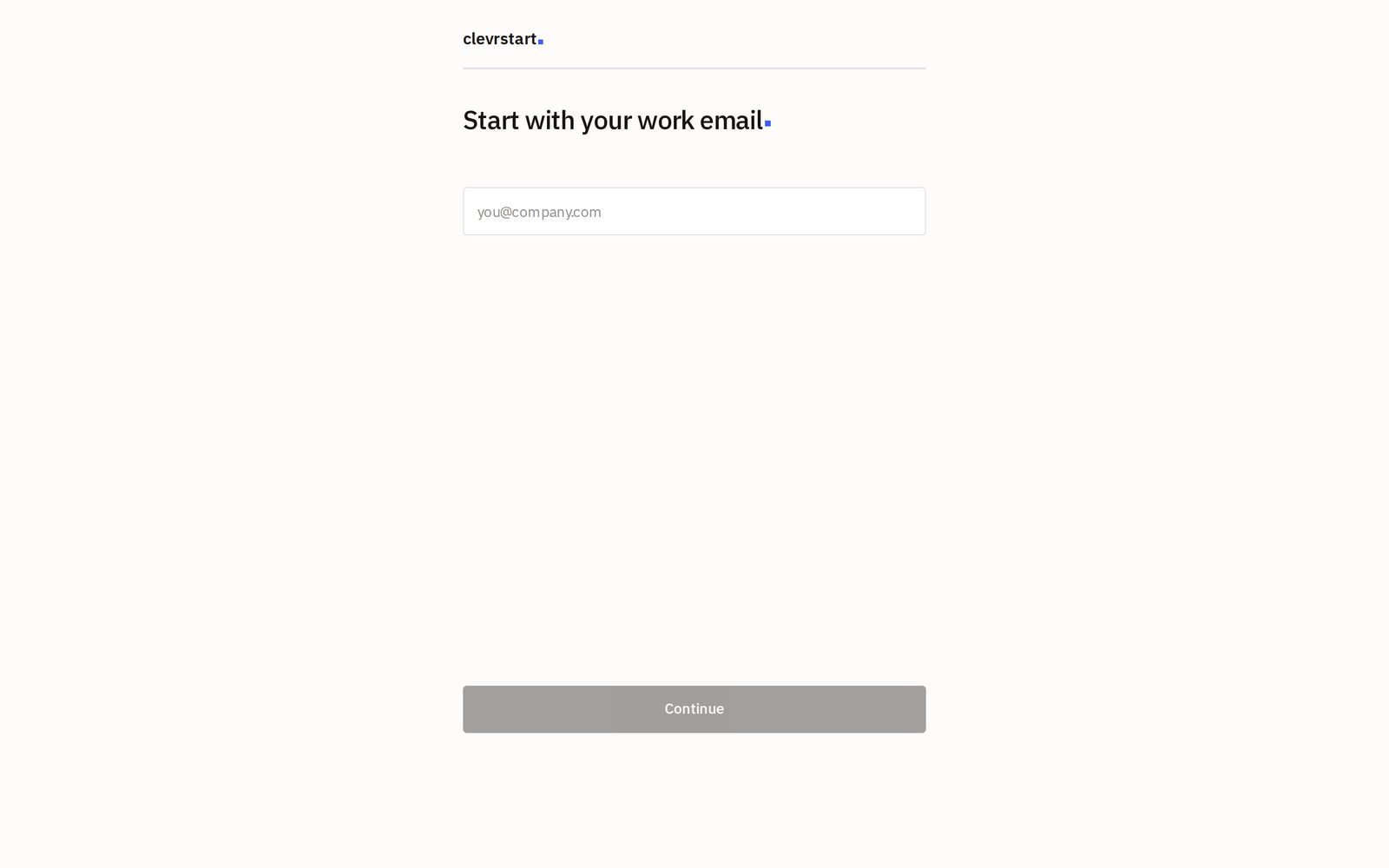
Answer first
A short form sorts the request: what it is, the budget band, the timeline. The free-text brief is read by AI before the call.
See only real free time
Slots come from the owner's hours, minus existing bookings, minus Google Calendar busy times.
Confirm
The email carries a calendar invite and a cancel link.
Cancel without an account
The link proves itself with a signature, so the guest never signs up.
The answers travel
The answers are saved in the shared CMS, where my quote and content apps read them.
Pulled proof.The code
A cancel link that proves itself
/** Scoped so a token minted here can never be replayed against another feature. */function sign(meetingId: string, party: CancelParty) { return createHmac("sha256", secret()) .update(`cancel:${meetingId}:${party}`) .digest("base64url")}export function cancelToken(meetingId: string, party: CancelParty) { return sign(meetingId, party)}export function cancelUrl(meetingId: string, party: CancelParty) { const base = process.env.NEXT_PUBLIC_APP_URL ?? "" return `${base}/book/cancel/${meetingId}?t=${cancelToken(meetingId, party)}`}No token table and no expiry sweep: the signed meeting id is the record. The host's link and the guest's are different tokens.
The reel.The walkthrough
Watch it run
Corrections.What it fixes
The problems it solves
Calls booked with nothing known in advance.The questions come first; the brief is read before the call.
Double bookings against Google Calendar.Busy times are read from Google before a slot shows.
Guests sent to someone else's domain and brand.The booking page wears each site's own theme.
Cancelling needs an email thread.Every confirmation carries a signed cancel link.
Editor's letter.Why I built it
Why it exists
“Nothing is known before the call today.” That line from my own spec is why skedual exists.
I wanted one call to take the questions, present, close and sign. A Calendly embed cannot do that without a second form bolted in front, so the form and the calendar became one app. It started in December 2025 as a Calendly clone from a tutorial.

Against the rack.Better than average
Against the usual tools
Against Calendly and Cal.com. Their side was read from each vendor's own pages on 2026-09-27.
| What | The market average | This app |
|---|---|---|
| Questions first | Routing forms, on paid plans. | Built in, on every booking, before the calendar.vendor's page |
| Where answers go | The scheduler's database, pushed to a CRM or webhook if you wire it. | The same CMS my quote and content apps read.vendor's page |
| Cancel link | A link to the vendor's page; your own domain only on Cal.com's top plan. | A signed link on your own domain.vendor's page |
| Look | The vendor's page with your logo and colours. | Each site's own theme.vendor's page |
The imprint.How long it took
67 commits in 297 days
- commits
- 67
- days with a commit
- 23
- days, first commit to today
- 297
- First commit: a Calendly clone
- Moved into the monorepo, history and all
- Latest commit
Measured: git log, my own commits on the app and its imported history, 2026-09-27. The tutorial author's three commits are excluded.
Colophon.Where it sits in the ledger